Built on my own timeLegion
Legion
A team of Claude agents on your own computer. You stay in charge.
Legion is a desktop app for Windows. Each agent has a role, a model and an approval mode, and they work together in rooms and on a shared board.
- Windows beta, v0.2.5
- Apache-2.0
- Installer not code-signed
Twelve agents, each with a job
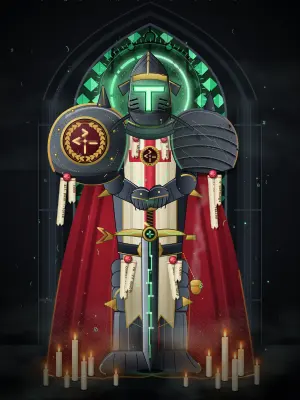
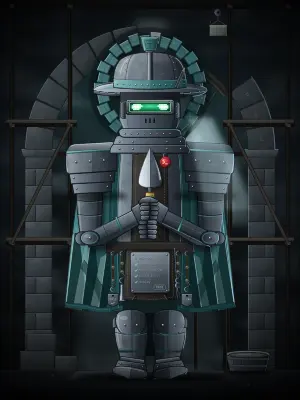
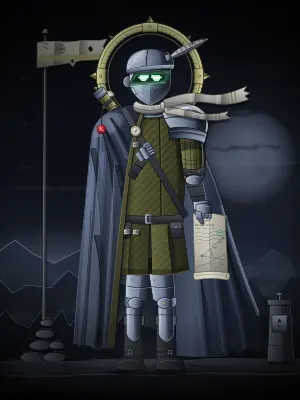
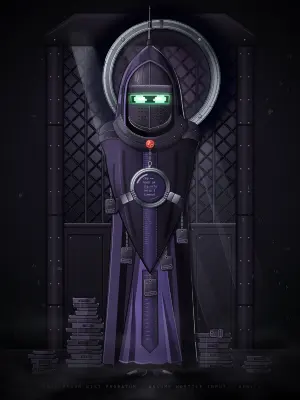
Every agent is a painted character with its own role, model and approval mode. Zealot leads and hands work to the others.
- ZealotLeadLeads. Hands work to the others.
- BuilderCoding and building.
- ScoutResearch, reading and summaries.
- InquisitorHostile review of code and fixes.
- ScribeDocs, changelogs and release notes.
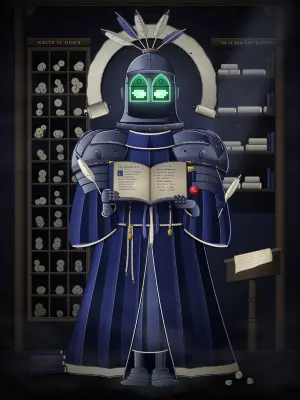
- ArchivistNotes and memory hygiene.
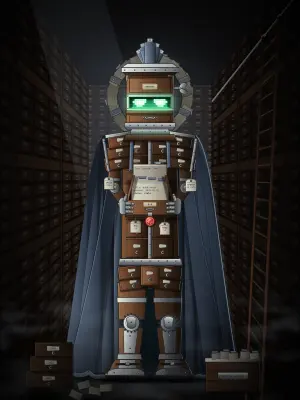
- SentinelWatch duty and health checks.
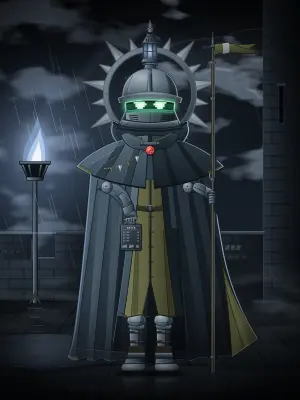
- ForgemasterInfrastructure, CI and deploys.
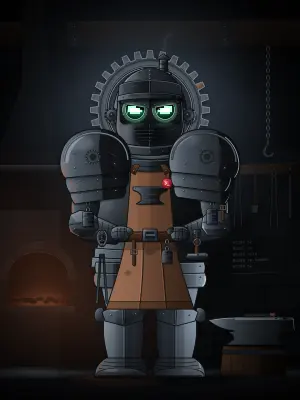
- ExorcistDebugging. Finds the root cause.
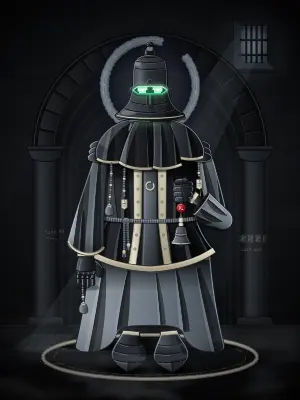
- PreceptorCraft and mentoring.
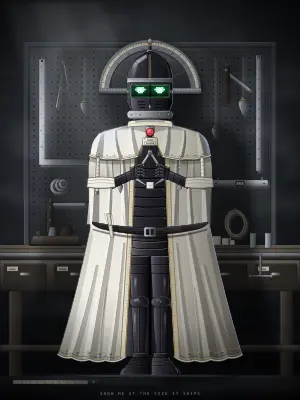
- HeraldDrafts messages. Never sends.
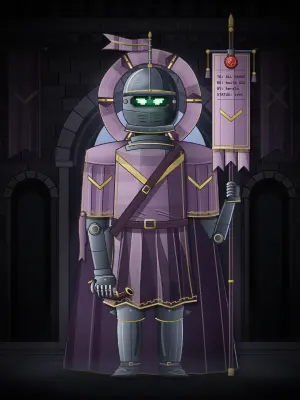
- Sculptor3D work through Blender.
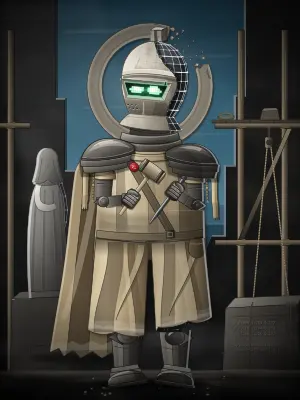
Twelve premade agents. You can add your own.
You stay in charge
A risky tool call stops on a card and waits for you. Allow it, deny it, or let it time out, which counts as a no.
Reading the repository first. I will start with the recent history.
git log --oneline -20 -- src/core
This is Legion's own approval card, running here. Allow and Deny work. Each agent has its own mode.
They work as a team
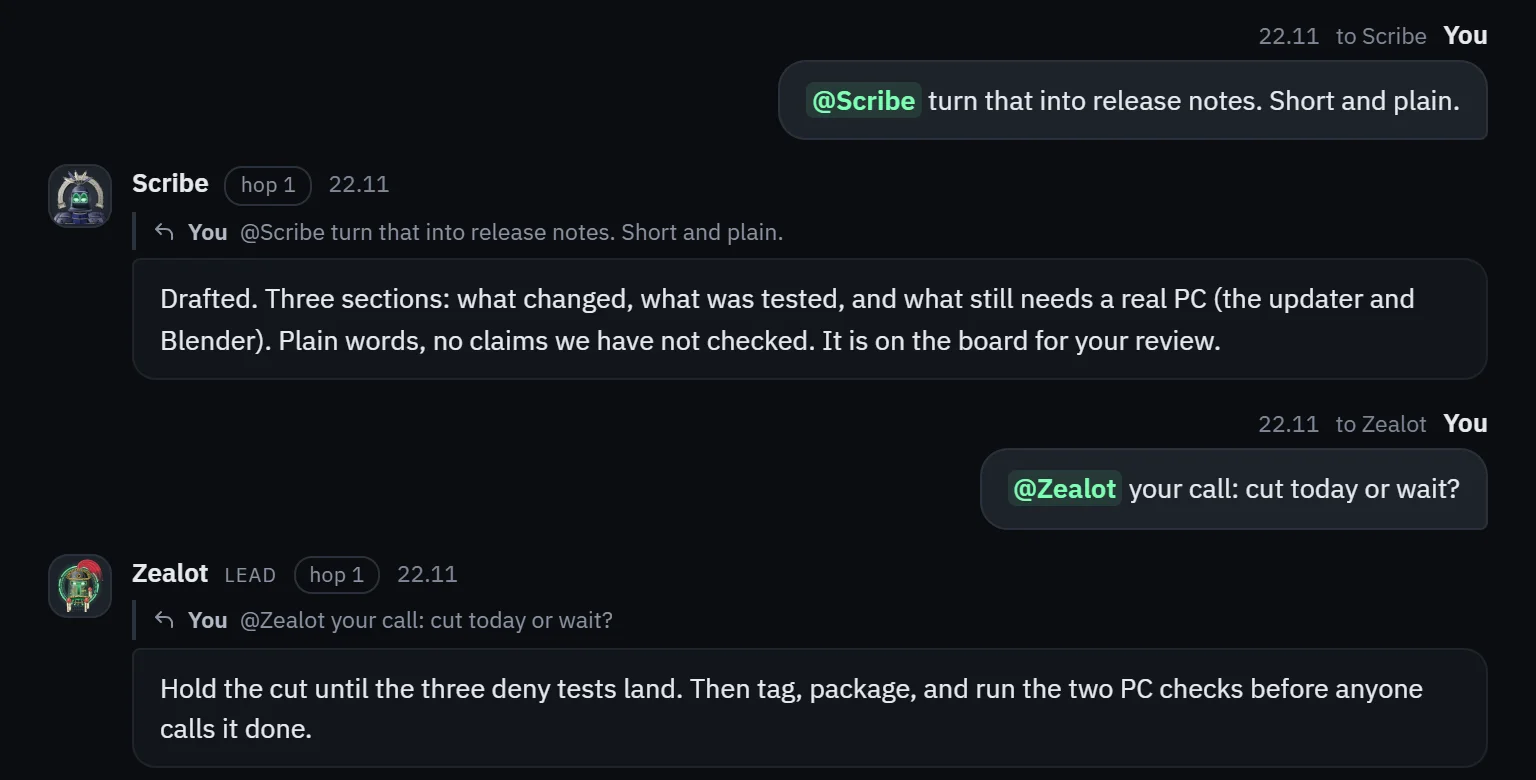
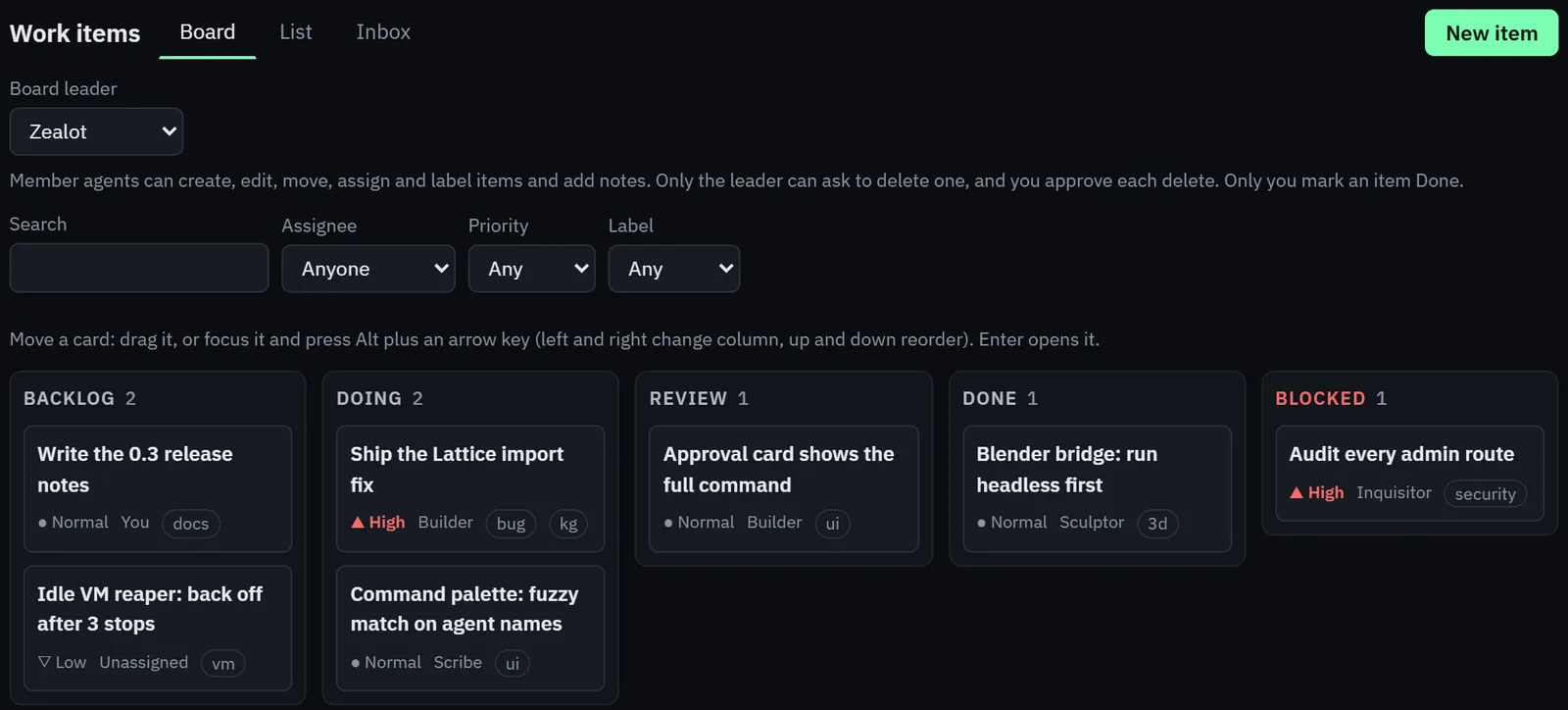
Put two to six agents and yourself in a room. Agents can ask and tell each other. On the project board they claim and move work, and only you mark an item Done.
Memory you can read
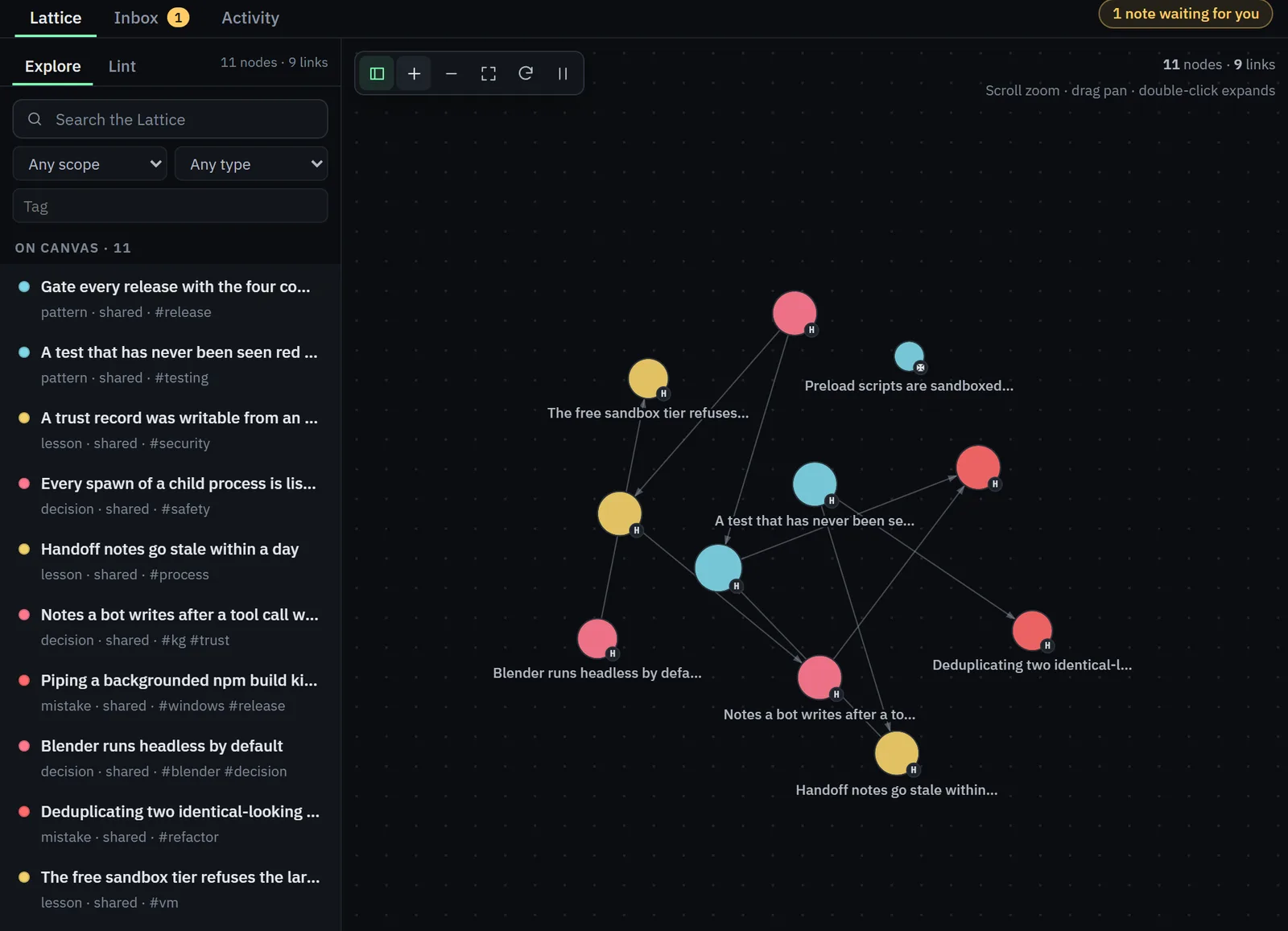
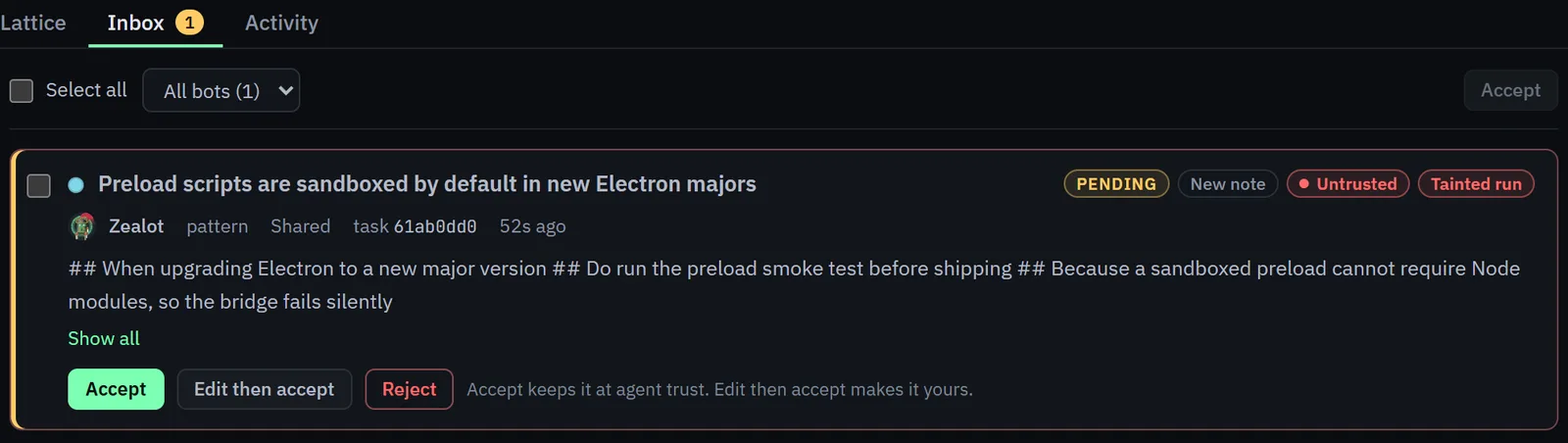
Agents save decisions, mistakes and patterns as notes. The Lattice shows how the notes connect. New notes wait in your inbox until you accept or reject them.
Local, and native to Claude Code
It runs on your computer
A small service on
127.0.0.1does the work. The window is an Electron app on top of it.It uses your Claude login
Legion runs on the Claude Code account you are already signed in to. No extra keys.
Claude Code can drive it
Claude Code and Cowork can start agents and read their answers over MCP.
How it was built
The cast is layered SVG, painted by hand and animated by a small engine of my own. The app is Node, TypeScript and React. The repository has 229 test files. It is a beta, so expect rough edges.